
Could It Be Menopause? Symptoms and Changes Women Should Know About
October is Menopause Awareness Month, with World Menopause Day recognized each year on October 18. It’s an opportunity to bring attention to a stage of life that every woman who lives long enough will experience, but one that can look and feel very different from person to person.
For some women, menopause brings noticeable hot flashes and changes in their menstrual cycle. For others, the first signs may be more subtle, such as difficulty sleeping, unexpected mood changes, or feeling less like themselves.
Understanding what’s happening in your body can help you recognize when these changes may be related to menopause and when it’s worth having a conversation with your doctor.
Perimenopause vs. Menopause: What’s the Difference?
Menopause doesn’t happen overnight. The transition often begins several years before menstrual periods stop completely.
Perimenopause is the transitional stage when estrogen and progesterone levels begin to fluctuate. During this time, menstrual cycles may become irregular, and symptoms can appear even while you’re still having periods. Perimenopause commonly begins in a woman’s 40s, although it can start earlier.
Menopause is reached after 12 consecutive months without a menstrual period, provided there isn’t another medical explanation. In the United States, the average age of menopause is approximately 51.
Postmenopause refers to the years that follow. Some symptoms may improve over time, while others can persist or require ongoing attention.
Because hormone levels fluctuate throughout perimenopause, symptoms don’t always follow a predictable pattern. You might feel fine for several weeks and then notice changes that seem to come out of nowhere.
Menopause Symptoms Aren’t Always What You Expect
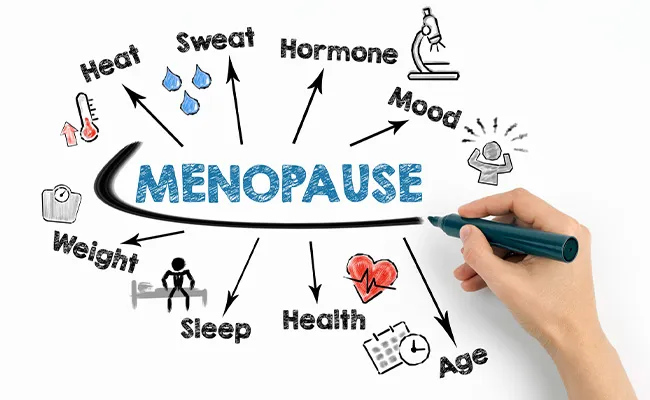
Hot flashes and night sweats are among the most recognizable symptoms of menopause, but hormonal changes can affect much more than body temperature.
Some common changes women may experience include:
- Changes in menstrual cycles: Periods may become shorter, longer, heavier, lighter, or less predictable during perimenopause.
- Sleep disturbances: Difficulty falling asleep, waking frequently, or feeling unrested can occur, sometimes even without night sweats.
- Mood changes: Increased irritability, anxiety, or changes in emotional well-being may develop during the transition.
- Brain fog and difficulty concentrating: Some women notice changes in memory, focus, or mental clarity.
- Vaginal dryness and discomfort: Declining estrogen can contribute to vaginal dryness, discomfort during intimacy, and certain urinary symptoms.
- Joint and muscle discomfort: Aches, stiffness, or changes in physical comfort may become more noticeable.
- Changes in body composition: Some women notice increased abdominal fat or changes in muscle mass, even when their routines haven’t changed significantly.
Not every woman will experience these symptoms, and having one or more doesn’t automatically mean menopause is the cause.
Thyroid conditions, sleep disorders, medication effects, and other medical concerns can sometimes produce similar symptoms. This is one reason why a comprehensive evaluation can be valuable.
Why Menopause Can Feel Different for Every Woman
There isn’t one universal menopause experience.
Some women move through the transition with relatively few symptoms. Others experience changes that affect their sleep, relationships, work, and daily activities.
The timing and intensity of symptoms can be influenced by several factors, including personal health history, genetics, lifestyle, and whether menopause occurs naturally or follows certain medical treatments or surgeries.
Symptoms can also change over time. What begins as irregular periods or occasional sleep difficulties may develop into more noticeable hot flashes or vaginal symptoms later.
Recognizing these differences is important because menopause care shouldn’t be based on a one-size-fits-all approach.
When Should You Consider a Menopause Evaluation?
You don’t need to wait until your periods have stopped completely to discuss possible menopause symptoms with your doctor.
If you’re experiencing changes that are persistent, unexpected, or affecting your quality of life, a medical evaluation can help you better understand what’s happening.
A menopause evaluation may include a discussion of your menstrual history, symptoms, personal and family medical history, current medications, and overall health.
Depending on your age and circumstances, your doctor may also recommend testing to investigate other potential causes of your symptoms.
Hormone testing isn’t always necessary to identify perimenopause or menopause, particularly in women over 45 with typical symptoms. Because hormone levels can fluctuate significantly during the transition, a single blood test may not provide a complete picture.
The goal is to understand your symptoms in the context of your overall health rather than relying on one hormone level alone.
Certain changes should also be evaluated promptly. For example, bleeding after menopause, unusually heavy bleeding, or bleeding between periods shouldn’t simply be assumed to be part of the transition.
Understanding Your Menopause Care Options
Menopause is a natural biological transition, but that doesn’t mean women have to accept disruptive symptoms without support.
Depending on your symptoms, medical history, and personal preferences, care may involve hormone therapy, nonhormonal treatment options, or approaches to address specific concerns such as sleep difficulties or vaginal discomfort.
At Nutriamed, our approach to women’s hormone health begins with a comprehensive medical consultation. Led by board-certified endocrinologist Dr. Samar Bursheh, our team considers your symptoms, medical history, and overall metabolic and hormonal health to help determine which evaluations and treatment options may be appropriate.
The focus is on understanding your individual experience and developing a plan that supports your health and quality of life.
Menopause Awareness Starts With Understanding Your Body
Menopause Awareness Month is a reminder that changes in sleep, mood, menstrual cycles, and physical well-being deserve attention, especially when they begin affecting everyday life.
While menopause is a normal stage of life, every woman’s experience is unique. Recognizing possible symptoms and understanding when to seek medical guidance can help you approach this transition with greater clarity and confidence.
If you’re noticing changes that may be related to perimenopause or menopause, the team at Nutriamed can help you explore what may be contributing to your symptoms and discuss appropriate next steps.