
Protein, Metabolism, and Healthy Aging: Are You Getting Enough?
Protein is often associated with athletes and fitness enthusiasts, but its importance extends far beyond the gym. As we get older, protein becomes an essential part of maintaining muscle, supporting metabolism, promoting recovery, and preserving overall health.
While many people focus on calories or carbohydrates when thinking about nutrition, protein plays a unique role in helping the body function at its best throughout every stage of life.
Understanding its importance can help support healthy aging and long-term wellness.
Why Protein Matters
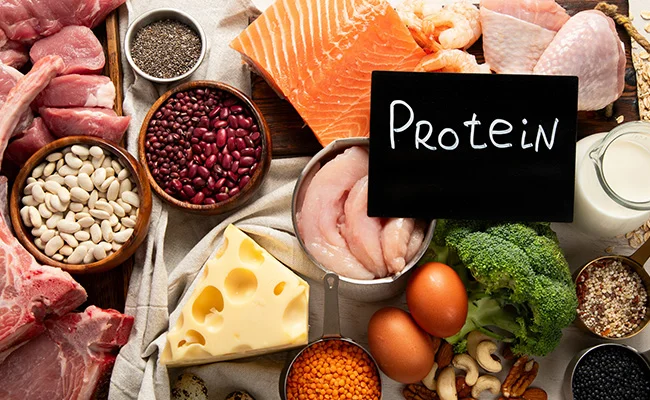
Protein is one of the body’s essential nutrients and is involved in nearly every system.
It helps build and repair muscles, supports the immune system, contributes to healthy skin and bones, and plays a role in producing hormones and enzymes that keep the body functioning properly.
Because the body does not store protein the same way it stores carbohydrates or fat, it is important to regularly include quality protein sources as part of a balanced diet.
Protein and Muscle Health
One of protein’s most important roles is supporting muscle maintenance.
As we age, it becomes more difficult to maintain muscle mass naturally. This gradual decline can affect strength, mobility, balance, and metabolism over time.
Adequate protein intake, combined with regular strength training, helps support muscle repair and maintenance while promoting overall physical function.
Maintaining muscle is about much more than appearance. It supports everyday activities, independence, and healthy aging.
Supporting Metabolism Through Nutrition
Muscle is metabolically active tissue, meaning it requires energy to maintain.
Because protein helps preserve lean muscle mass, it indirectly supports metabolic health as well.
Protein also tends to be more satisfying than many other nutrients, helping people feel fuller after meals and supporting more consistent eating habits throughout the day.
Rather than viewing protein as simply a tool for weight loss, it is helpful to think of it as one component of an overall approach to supporting metabolic health.
Could You Be Falling Short?
Many adults are surprised to learn they may not be consuming enough protein throughout the day.
While needs vary from person to person, some signs that may suggest inadequate protein intake include:
- Feeling hungry shortly after meals
- Reduced strength or muscle tone
- Slower recovery after physical activity
- Fatigue or low energy
- Difficulty maintaining muscle while losing weight
These signs can have many causes, but nutrition is often one important factor worth considering.
Choosing Quality Protein Sources
There are many ways to include protein as part of a healthy eating pattern.
Examples include:
- Fish and seafood
- Poultry
- Lean cuts of meat
- Eggs
- Greek yogurt
- Cottage cheese
- Beans and lentils
- Tofu and tempeh
- Nuts and seeds
Choosing a variety of protein sources alongside fruits, vegetables, whole grains, and healthy fats can help support overall nutrition and long-term health.
Protein and Strength Work Together
Nutrition and movement are most effective when they work together.
Strength training provides the stimulus for maintaining and building muscle, while protein supplies the nutrients needed to support recovery and repair.
This combination becomes increasingly important with age and can help support strength, mobility, balance, metabolic health, and overall quality of life.
Even small, consistent lifestyle changes can make a meaningful difference over time.
Supporting Healthy Aging Through Everyday Habits
Healthy aging is not about following restrictive diets or chasing quick fixes. It is about building habits that support your body for the long term.
Protein is one important piece of that foundation, alongside regular movement, quality sleep, stress management, and balanced nutrition.
At Nutriamed, we take a comprehensive approach to healthy aging through physician-guided care, personalized nutrition support, metabolic health evaluations, and fitness programming through The Nutriamed Method™. From small group fitness classes to specialized Senior Strength Training programs, our approach is designed to help individuals preserve muscle, improve mobility, build strength, and support long-term metabolic health. Together, these services help patients develop sustainable habits that promote energy, independence, and overall wellness.
If you would like to learn more about nutrition, metabolic health, or healthy aging, you can request a consultation through our online form or connect with a member of our team at (609) 415-2888 to discuss your goals and learn more about your options.