
Gut Health and Metabolism: What’s the Connection?
When people think about metabolism, they often think about calories, exercise, or how easily they gain or lose weight. Digestion may seem like a separate conversation.
The two are more connected than you might think.
Inside your digestive tract lives a large community of microorganisms known collectively as the gut microbiome. Researchers continue to learn more about the many ways these microorganisms interact with our bodies, including their relationships with digestion, immune function, inflammation, and metabolic health.
You don’t need to completely overhaul your diet or chase the latest “gut health” trend to support this system. Many of the habits that benefit your gut are the same habits that support good nutrition and long-term health overall.
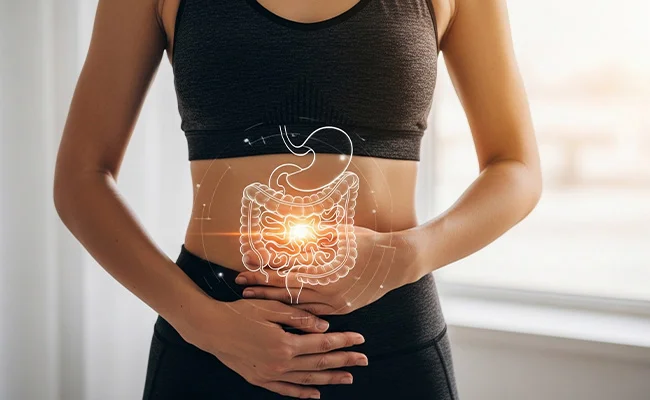
First, What Is the Gut Microbiome?
Your digestive tract is home to trillions of microorganisms, including many different types of bacteria.
Rather than thinking about bacteria as automatically good or bad, it helps to think of the gut as an ecosystem. Different microorganisms perform different functions, and having a diverse community appears to be important.
Your microbiome is influenced by many factors, including your diet, age, medications, environment, and lifestyle.
One of the most direct ways we interact with it every day is through what we eat.
Your Gut Bacteria Eat, Too
Certain carbohydrates reach the large intestine without being completely broken down earlier in digestion. There, gut bacteria can ferment them and produce compounds called short-chain fatty acids.
Fiber is particularly important in this process.
That’s one reason eating enough fiber isn’t only about staying regular. Fiber-rich foods can help nourish beneficial gut bacteria while also supporting fullness, cholesterol management, and blood sugar regulation.
Good sources include:
- Vegetables
- Fruits
- Beans and lentils
- Whole grains
- Nuts and seeds
Rather than searching for one “superfood” for gut health, aim for variety. Different plant foods contain different types of fibers and nutrients, which can help support a more diverse diet and microbiome.
What Does Your Gut Have to Do With Metabolism?
Scientists are actively studying the relationship between the gut microbiome and metabolic health.
Research suggests that the microorganisms living in the digestive system and the substances they produce may interact with processes involving blood glucose regulation, inflammation, energy metabolism, and immune function.
That does not mean changing your gut bacteria is a shortcut to weight loss or that there’s a single ideal microbiome everyone should have. Gut health is complex, and our understanding of it is still evolving.
What we do know is that many of the dietary patterns associated with metabolic health, particularly diets rich in fiber and minimally processed plant foods, also provide nutrients that support the gut microbiome.
Instead of treating “gut health” and “metabolic health” as completely separate goals, it can be more useful to think about the habits that support both.
Don’t Forget Fermented Foods
Fermented foods can be another way to introduce beneficial microorganisms and fermentation products into your diet.
Depending on your preferences, options may include:
- Yogurt with live and active cultures
- Kefir
- Sauerkraut
- Kimchi
- Certain fermented vegetables
You don’t need to eat all of them, and fermented foods aren’t appropriate for everyone. Start with foods you genuinely enjoy and can realistically include in your normal routine.
It’s also worth remembering that “fermented” doesn’t automatically mean healthy. Products can vary considerably in added sugar, sodium, and overall nutritional value, so the rest of the food still matters.
Hydration Supports Digestion, Too
Fiber and hydration work well together.
Water helps support normal digestion and bowel function, particularly as you increase your intake of fiber-rich foods. Rather than suddenly doubling your fiber intake overnight, gradually introduce more fiber while staying adequately hydrated.
This approach can also make it easier for your digestive system to adjust.
Individual fluid needs vary, especially with activity level, weather, medications, and certain medical conditions, so there isn’t one perfect amount of water that applies to everyone.
You Don’t Need a “Gut Reset”
Gut health has become a popular wellness topic, and with that popularity has come an endless stream of cleanses, detoxes, supplements, restrictive diets, and promises to “reset” the microbiome.
For most people, supporting digestive and metabolic health is much less dramatic.
Eat a variety of plant foods. Get enough fiber. Include fermented foods if you enjoy and tolerate them. Stay hydrated. Move regularly. Get adequate sleep. And build eating habits you can maintain beyond the next few weeks.
Consistency is generally more useful than constantly starting over.
Build a Healthier Gut One Meal at a Time
Your microbiome is only one piece of metabolic health, but it’s another reminder of how closely connected our body’s systems are.
At Nutriamed, nutrition is approached as part of a broader picture that includes metabolic health, body composition, physical activity, weight management, and sustainable lifestyle habits. Rather than focusing on restrictive diets or temporary fixes, we help adults develop an approach to nutrition that works with their individual health needs and goals.
If you’re interested in understanding your nutrition and metabolic health more closely, contact Nutriamed to learn about our nutrition consultations and personalized metabolic and lifestyle programs.
You don’t need a perfect diet to support your gut. Giving it a wider variety of nourishing foods is a pretty good place to start.